Fish Ageing Methods: Embedding Bowfin Otoliths for Thin Sectioning

The FishAge.org Education Center brings together educational articles, project updates, reference collection insights, and instructional videos from our team and collaborators.

Share this Post:

We’re excited to share the second installment in our Ruddy Bowfin instructional video series, now available on the FishAge YouTube channel. This video walks through our protocol for embedding Ruddy Bowfin (Amia calva) otoliths in epoxy resin, an essential step in preparing otoliths for thin sectioning and age analysis.

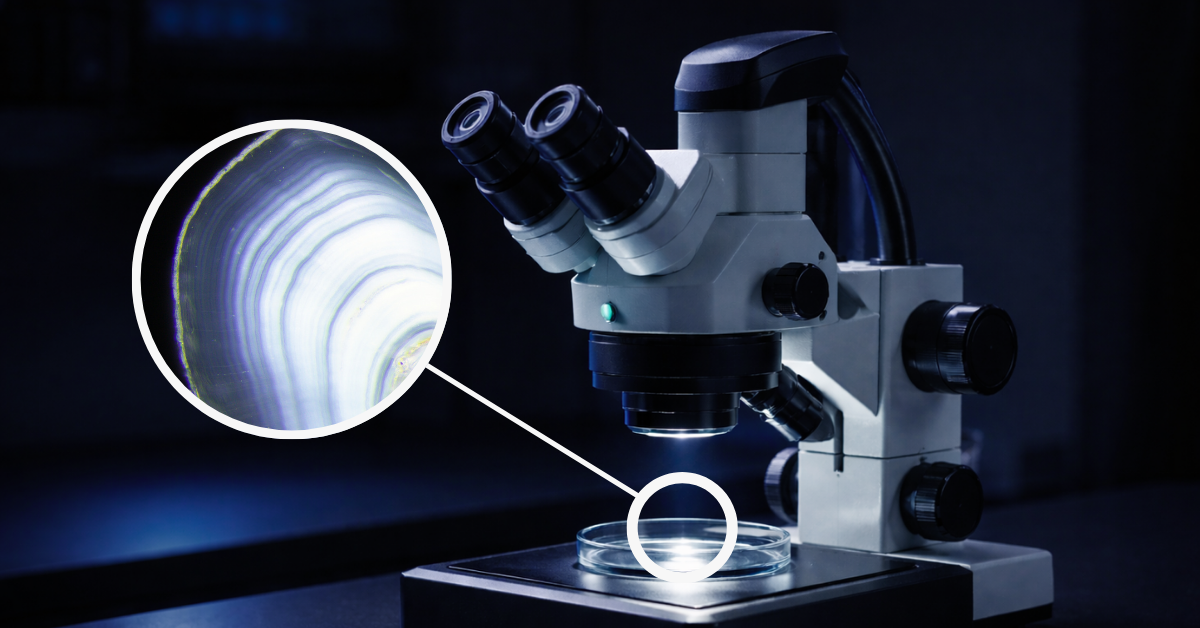
Following extraction, proper embedding stabilizes the otolith and preserves its internal structure during sectioning. This video demonstrates key steps in the embedding process, including labeling, epoxy preparation, and otolith orientation. Correct orientation is especially important, to ensure that the thin sections will capture the core and growth increments clearly and consistently.

Why Proper Otolith Embedding Matters

Embedding otoliths in epoxy resin provides the structural support needed to produce thin, clean sections using sectioning saws or grinding equipment. Consistent embedding techniques help reduce preparation errors, improve efficiency, and support accurate and repeatable age estimates across readers.

Part of the FishAge Ruddy Bowfin Video Series

This video builds directly on our previous Ruddy Bowfin otolith extraction tutorial and is part of the expanding FishAge instructional video series. Together, these resources provide fisheries professionals, students, and researchers with practical, standardized guidance for otolith preparation and ageing.

Additional videos in this series are currently in development and will cover thin sectioning, polishing, and age interpretation techniques. These resources are designed to complement the FishAge image database and support training, consistency, and best practices in fisheries age and growth laboratories.

Research Spotlight: Bowfin Age and Growth

For those interested in learning more about Bowfin age and growth, we recommend the 2022 study: Otoliths suggest lifespans more than 30 years for free-living bowfin Amia calva: Implications for fisheries management in the bowfishing era. The study presents the first comprehensive analysis of Bowfin otoliths and demonstrates that the lapilli and asterisci otoliths (despite being smaller than the sagittae) are especially useful for age estimation in this species. Using otolith-derived data, researchers found that Bowfin may live up to 33 years, roughly two to three times longer than previously estimated for wild populations.

Help Shape Future FishAge Training Resources

We welcome feedback from the fisheries age and growth community. What species, preparation methods, or ageing techniques would you like to see featured in future FishAge instructional videos? Your input helps guide the development of resources that best support training, consistency, and advancing fisheries science.

Subscribe to get new Education Center posts by email.

Leave a Comment

Your email address will not be published. Required fields are marked *

Fish Ageing Methods: Embedding Bowfin Otoliths for Thin Sectioning

We’re excited to share the second installment in our Ruddy Bowfin instructional video series, now available on the FishAge YouTube channel. This video walks through our protocol for embedding Ruddy Bowfin (Amia calva) otoliths in epoxy resin, an essential step in preparing otoliths for thin sectioning and age analysis.

Following extraction, proper embedding stabilizes the otolith and preserves its internal structure during sectioning. This video demonstrates key steps in the embedding process, including labeling, epoxy preparation, and otolith orientation. Correct orientation is especially important, to ensure that the thin sections will capture the core and growth increments clearly and consistently.

Why Proper Otolith Embedding Matters

Embedding otoliths in epoxy resin provides the structural support needed to produce thin, clean sections using sectioning saws or grinding equipment. Consistent embedding techniques help reduce preparation errors, improve efficiency, and support accurate and repeatable age estimates across readers.

Part of the FishAge Ruddy Bowfin Video Series

This video builds directly on our previous Ruddy Bowfin otolith extraction tutorial and is part of the expanding FishAge instructional video series. Together, these resources provide fisheries professionals, students, and researchers with practical, standardized guidance for otolith preparation and ageing.

Additional videos in this series are currently in development and will cover thin sectioning, polishing, and age interpretation techniques. These resources are designed to complement the FishAge image database and support training, consistency, and best practices in fisheries age and growth laboratories.

Research Spotlight: Bowfin Age and Growth

For those interested in learning more about Bowfin age and growth, we recommend the 2022 study: Otoliths suggest lifespans more than 30 years for free-living bowfin Amia calva: Implications for fisheries management in the bowfishing era. The study presents the first comprehensive analysis of Bowfin otoliths and demonstrates that the lapilli and asterisci otoliths (despite being smaller than the sagittae) are especially useful for age estimation in this species. Using otolith-derived data, researchers found that Bowfin may live up to 33 years, roughly two to three times longer than previously estimated for wild populations.

Help Shape Future FishAge Training Resources

We welcome feedback from the fisheries age and growth community. What species, preparation methods, or ageing techniques would you like to see featured in future FishAge instructional videos? Your input helps guide the development of resources that best support training, consistency, and advancing fisheries science.

The FishAge.org Education Center brings together educational articles, project updates, reference collection insights, and instructional videos from our team and collaborators.

Share this Post:
Subscribe to get new Education Center posts by email.

Leave a Comment

Your email address will not be published. Required fields are marked *