microscope lighting blog feature image for fishage

Let’s Talk About Lighting

Fish age estimation relies on clearly identifying growth increments in structures such as otoliths, fin rays, and spines. One of the most important factors affecting increment visibility is microscope lighting. The way a specimen is illuminated can dramatically change how opaque and translucent zones appear, making proper lighting techniques essential for accurate and consistent age readings.
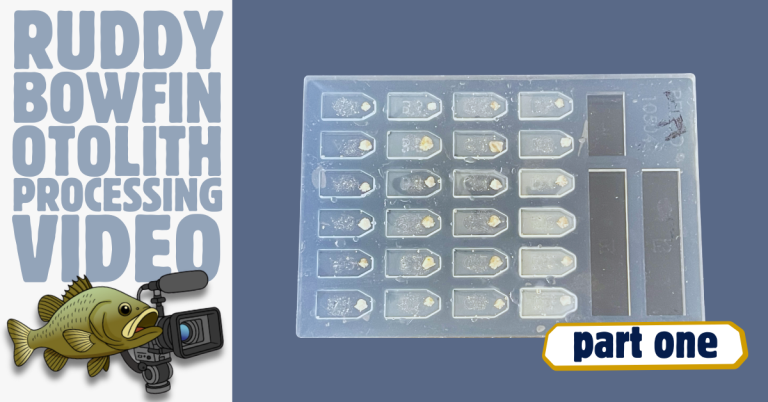
Fish Ageing Methods: Embedding Bowfin Otoliths for Thin Sectioning

FishAge has released the second video in its Ruddy Bowfin instructional series, demonstrating our standardized method for embedding otoliths in epoxy resin. This critical preparation step supports precise thin sectioning and improves consistency and accuracy in fish age estimation.

Graphic feature image for "Ruddy Bowfin Otolith Extraction Video" blog post on FishAge.org

New Instructional Video: Ruddy Bowfin Otolith Extraction

FishAge has released a new instructional video demonstrating otolith extraction for Ruddy Bowfin (Amia calva). This video marks the start of an expanding instructional series focused on otolith extraction, processing, and ageing techniques, supporting training and consistency across fisheries age and growth labs.

Graphic feature image for "A Look Inside-Fish Otoliths" blog post on FishAge.org

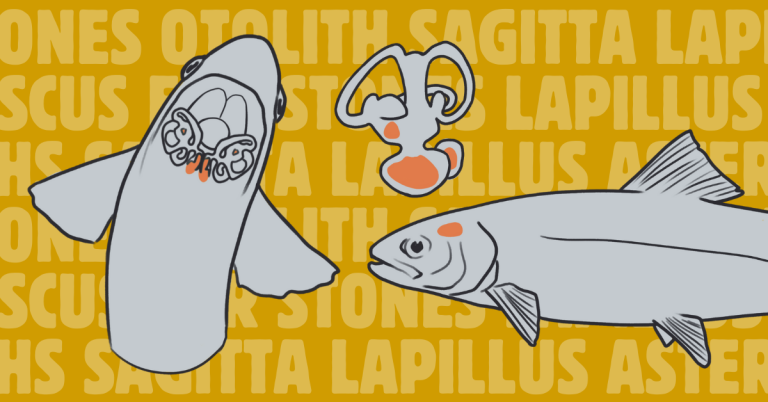
A Look Inside Fish Otoliths

If you’ve ever aged a fish, chances are you’ve worked with an otolith. These small, calcified structures, often called “ear stones,” are located in a fish’s inner ear and play a key role in balance and hearing. For fisheries scientists, they’re one of the most reliable tools for determining a

microscope lighting blog feature image for fishage

Let’s Talk About Lighting

Fish age estimation relies on clearly identifying growth increments in structures such as otoliths, fin rays, and spines. One of the most important factors affecting increment visibility is microscope lighting. The way a specimen is illuminated can dramatically change how opaque and translucent zones appear, making proper lighting techniques essential for accurate and consistent age readings.
Fish Ageing Methods: Embedding Bowfin Otoliths for Thin Sectioning

FishAge has released the second video in its Ruddy Bowfin instructional series, demonstrating our standardized method for embedding otoliths in epoxy resin. This critical preparation step supports precise thin sectioning and improves consistency and accuracy in fish age estimation.

Graphic feature image for "Ruddy Bowfin Otolith Extraction Video" blog post on FishAge.org

New Instructional Video: Ruddy Bowfin Otolith Extraction

FishAge has released a new instructional video demonstrating otolith extraction for Ruddy Bowfin (Amia calva). This video marks the start of an expanding instructional series focused on otolith extraction, processing, and ageing techniques, supporting training and consistency across fisheries age and growth labs.

Graphic feature image for "A Look Inside-Fish Otoliths" blog post on FishAge.org

A Look Inside Fish Otoliths

If you’ve ever aged a fish, chances are you’ve worked with an otolith. These small, calcified structures, often called “ear stones,” are located in a fish’s inner ear and play a key role in balance and hearing. For fisheries scientists, they’re one of the most reliable tools for determining a