Introducing FishAge.org

The FishAge.org Education Center brings together educational articles, project updates, reference collection insights, and instructional videos from our team and collaborators.

Share this Post:

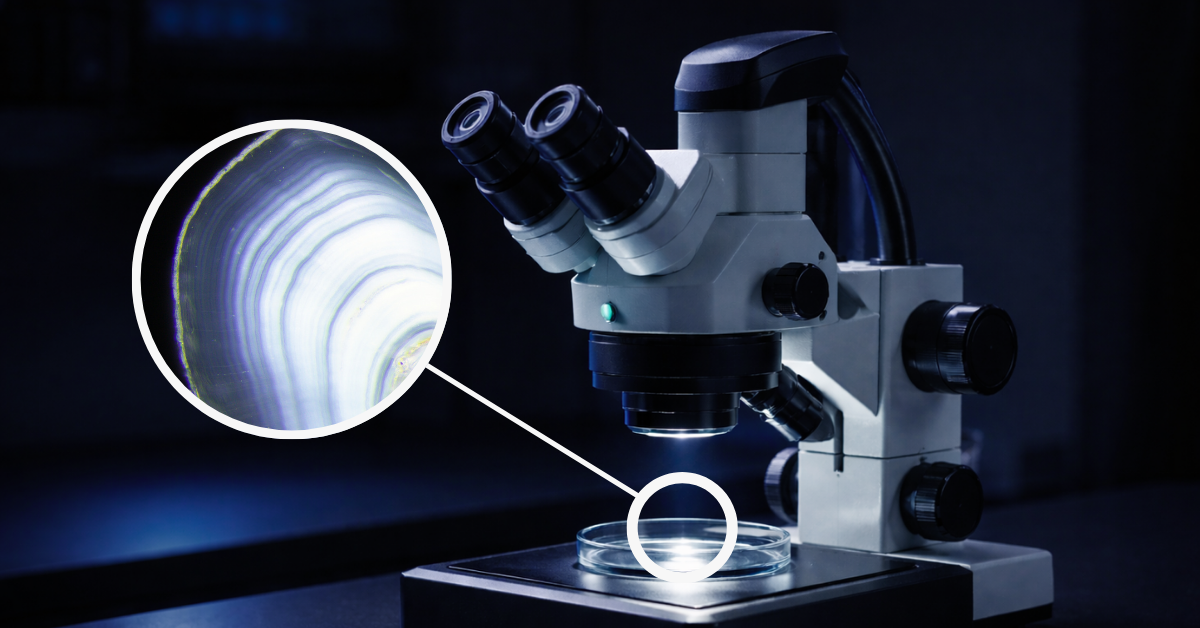
We are thrilled to announce the official launch of FishAge.org, a comprehensive website and image database dedicated to providing information and high-quality images of known-age calcified fish structures. This platform is designed to serve fisheries professionals, researchers, and students by offering a centralized reference collection of the various structures used to age fish species across different regions and environments.

FishAge brings together scientific research and collaboration, aiming to foster a deeper understanding of age estimation and validation. Accurate age determination is crucial for assessing fish growth, survival, and recruitment, which in turn informs sustainable fisheries management practices.

FishAge.org logo

This launch would not have been possible without the generous support of several individuals and agencies. We would like to extend our sincere gratitude to the dedicated professionals at various state agencies who have contributed their expertise and provided aging structures to build the foundation of this project. Their contributions were critical to making FishAge a reality, and we are excited to continue this collaboration as the site evolves and expands its resources.

For those interested in diving deeper into the conception of this project, we encourage you to read our recent publication, available here. This article offers insights into the development of FishAge.org and the importance of age determination in fisheries science.

We are excited to see how FishAge.org will support and enhance fisheries research and management, and we look forward to feedback from the community as we continue to grow this valuable resource.

Subscribe to get new Education Center posts by email.

Leave a Comment

Your email address will not be published. Required fields are marked *

Introducing FishAge.org

We are thrilled to announce the official launch of FishAge.org, a comprehensive website and image database dedicated to providing information and high-quality images of known-age calcified fish structures. This platform is designed to serve fisheries professionals, researchers, and students by offering a centralized reference collection of the various structures used to age fish species across different regions and environments.

FishAge brings together scientific research and collaboration, aiming to foster a deeper understanding of age estimation and validation. Accurate age determination is crucial for assessing fish growth, survival, and recruitment, which in turn informs sustainable fisheries management practices.

FishAge.org logo

This launch would not have been possible without the generous support of several individuals and agencies. We would like to extend our sincere gratitude to the dedicated professionals at various state agencies who have contributed their expertise and provided aging structures to build the foundation of this project. Their contributions were critical to making FishAge a reality, and we are excited to continue this collaboration as the site evolves and expands its resources.

For those interested in diving deeper into the conception of this project, we encourage you to read our recent publication, available here. This article offers insights into the development of FishAge.org and the importance of age determination in fisheries science.

We are excited to see how FishAge.org will support and enhance fisheries research and management, and we look forward to feedback from the community as we continue to grow this valuable resource.

The FishAge.org Education Center brings together educational articles, project updates, reference collection insights, and instructional videos from our team and collaborators.

Share this Post:
Subscribe to get new Education Center posts by email.

Leave a Comment

Your email address will not be published. Required fields are marked *